
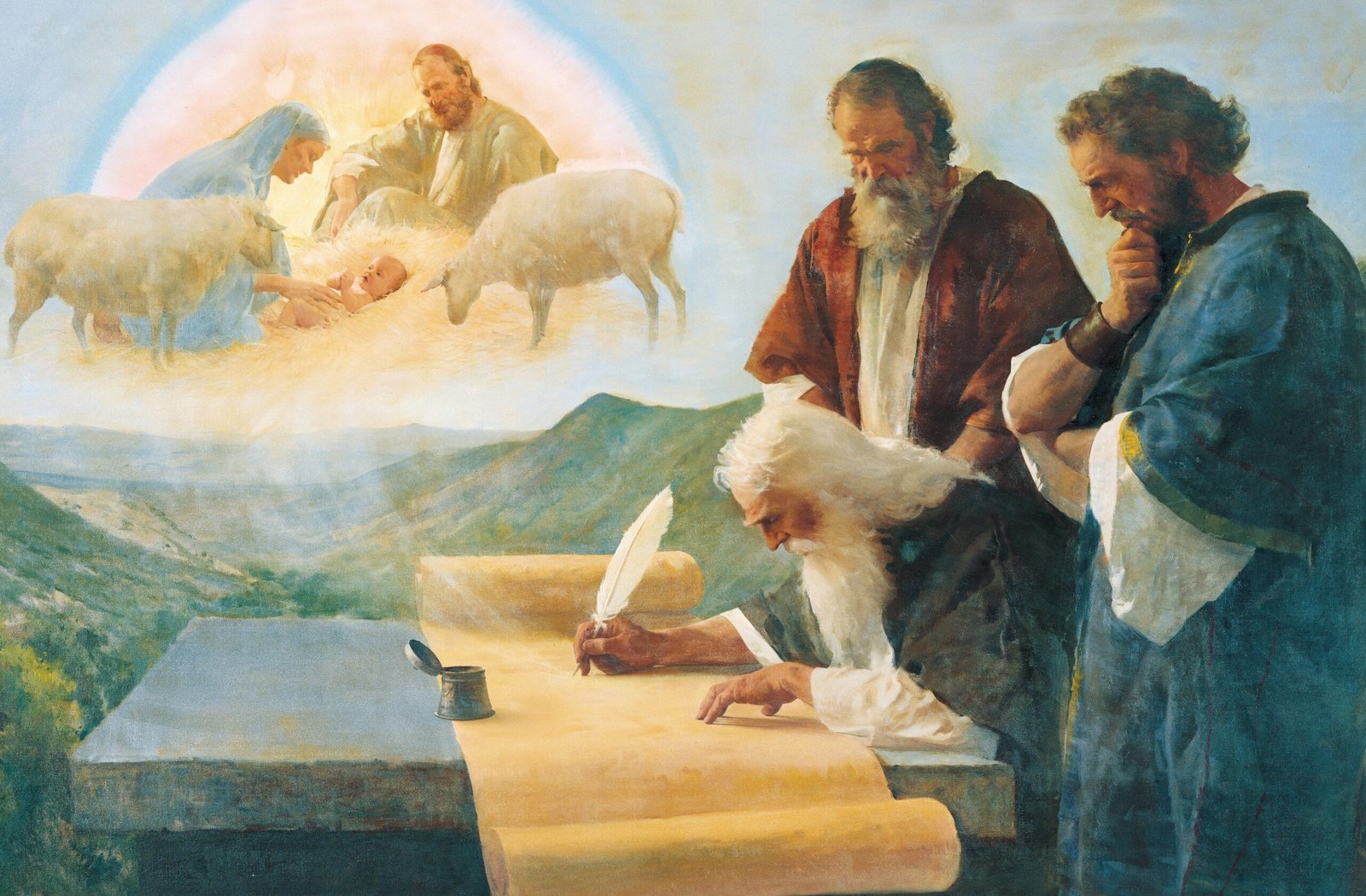
Patience is one of the fruits of the Spirit that God wants us to cultivate in our lives (Galatians 5:22-23). But what does it mean to be patient? And how can we grow in patience?
Patience is accepting delays, troubles, or suffering calmly. It means not getting angry or upset. However, the biblical concept of patience goes beyond this. It also involves endurance, perseverance, longsuffering, and hope.
The Bible is full of inspiring stories. They teach us patience and show how to persevere through tough times. These stories show how God’s faithful servants waited, trusted, and obeyed Him. They did this even in tough times and challenges.
In this post, we will look at 11 specific stories of patience in the Bible. In each story, we’ll explore how the main characters showed patience. We will also learn some valuable lessons about patience from their examples. Finally, we will reflect on how we can apply these lessons to our own lives.
11 Inspiring Stories of Patience in the Bible
Here are 11 Inspiring examples and Stories of Patience in the Bible
Let’s begin!
1. Job’s Patience in the Face of Adversity
Job was a righteous man who loved God and lived a blameless life. He had a large family and a prosperous business. God blessed him in every way.
However, one day, everything changed. Satan challenged God that Job only served Him because of His blessings. God let Satan test Job’s faith. He took away all Job had: his livestock, his servants, his children, and his health.
Job lost everything in one day. He had nothing left but his wife and his friends. Yet, he did not curse God or sin against Him. He remained patient and faithful to God.
He said, “Naked I came from my mother’s womb, and naked I will go. The Lord gave and the Lord has taken away; may the name of the Lord be praised.” (Job 1:21)
He also said, “Though he slay me, yet will I hope in him; I will surely defend my ways to his face.” (Job 13:15)
Lessons:
Job’s patience was not about passively accepting suffering. It was about trusting in God’s sovereignty even when he did not understand why He allowed such things to happen.
He knew that God was good and. He knew that God had a purpose for his pain. He knew that God would vindicate him in the end.
And he was right. After Job faced his trials patiently, God gave him back his fortunes. He received twice what he had before. He also blessed him with more children and a long life.
Job’s story teaches us that patience is a sign of faith and loyalty to God. It also teaches us that God rewards those who are patient with Him.
When we are facing trials in our own lives, we can remember Job’s example and trust that God is in control. He will use our suffering for our good and His glory.
2. Joseph’s Patience in Waiting on God

Joseph was a young man who had a special relationship with God. He had dreams from God that revealed his future destiny. His father Jacob also favored him.
However, his brothers hated him because of his dreams and his favoritism. They plotted to kill him but later decided to sell him into slavery instead.
Joseph’s captors took him to Egypt and sold him to Potiphar, the captain of Pharaoh’s guard. He worked hard and earned Potiphar’s trust. Potiphar put him in charge of everything he owned.
However, Potiphar’s wife tried to seduce Joseph but he refused to sin against God and his master. She falsely accused him of rape, and they threw him into prison.
Joseph spent many years in prison but he did not lose hope or faith in God. He continued to serve God and others with excellence. He interpreted dreams for two imprisoned officials of Pharaoh.
One of them regained his position as Pharaoh’s cupbearer, but he forgot about Joseph for two more years.
Finally, Pharaoh had a dream that no one could interpret except Joseph. The cupbearer remembered Joseph and told Pharaoh about him.
Joseph appeared before Pharaoh and interpreted his dream. He said God told Pharaoh there would be seven years of plenty. Then, seven years of famine would follow in Egypt.
He advised Pharaoh to choose a wise man. This man would manage the storage and distribution of grain during the good years.
Joseph’s wisdom and discernment impressed Pharaoh. He appointed him as the second-in-command of Egypt. He gave him authority over all the land and people.
Joseph was 30 years old when he became the ruler of Egypt. He had waited for 13 years for God to fulfill His promise.
Lessons:
Joseph’s story teaches us that patience is about waiting on God’s timing. He knows the best plan for our lives, even when we don’t understand His ways.
He can turn our worst situations into our greatest opportunities. He can use our trials to prepare us for our destiny.
While waiting for God to answer our prayers, we can look to Joseph’s example. We can trust that God is working everything for our good (Romans 8:28).
3. Moses’ Patience in Leading God’s People

God chose Moses to deliver His people from slavery in Egypt. God also called him to lead them to the Promised Land.
However, Moses faced many challenges and difficulties in his mission. He faced Pharaoh and his army. He performed signs and wonders. He endured plagues and hardships. Then, he crossed the Red Sea.
He also had to deal with the stubbornness and rebellion of the Israelites. They complained, grumbled, murmured, and disobeyed God and Moses many times.
They made a golden calf and worshiped it. This happened while Moses was on Mount Sinai getting the Ten Commandments from God.
Moses was angry and frustrated with the people but he did not give up on them. He interceded for them before God and pleaded for His mercy and forgiveness.
He also taught them God’s laws and commands. He instructed them how to worship God and how to live as His holy people.
He also encouraged them to trust God and to follow His guidance. He showed them God’s power and presence through the pillar of cloud and fire.
Moses was patient with the people because he loved them and cared for them. He also knew that God had a covenant with them and that He would fulfill His promises to them.
He was faithful to his calling and his responsibility as God’s servant and leader.
Lessons:
Moses’ story teaches us that patience is about leading by example. It is about being faithful to God’s will and purpose for our lives.
It’s also about showing compassion and mercy to others, especially the weak and sinful.
It is about interceding for them and teaching them God’s ways.
When God calls us to lead or serve others, we can remember Moses’ example and be patient with them. We can also rely on God’s grace and strength to help us in our task.
4. David’s Patience in Waiting for His Kingship

David, a young shepherd boy, received an anointing from the prophet Samuel as the next king of Israel. He was also a brave warrior who defeated the giant Goliath and won the favor of the people.
However, he had to wait for many years before he could become the king. He had to face the jealousy and hostility of King Saul, who tried to kill him several times.
He had to flee from Saul and live as a fugitive in caves and wilderness. He had to endure hardships and dangers from his enemies.
He also had to deal with his own sins and failures, such as his adultery with Bathsheba and his murder of Uriah.
David felt tempted to take matters into his own hands and kill Saul when he had the opportunity. However, he did not do so because he respected Saul as God’s anointed king.
He said, “The Lord forbid that I should lay a hand on the Lord’s anointed.” (1 Samuel 26:11)
He also said, “May the Lord judge between you and me. And may the Lord avenge the wrongs you have done to me, but my hand will not touch you.” (1 Samuel 24:12)
David was patient and waited for God to remove Saul and establish him as the king. He trusted in God’s promise and timing.
He also repented of his sins and sought God’s forgiveness and restoration.
He said, “Have mercy on me, God. Do it because of your unfailing love. Also, wipe away my wrongs with your great compassion.” Wash away all my iniquity and cleanse me from my sin.” (Psalm 51:1-2)
Lessons learned:
David’s story teaches us that patience is about waiting for God’s promise. It is about respecting God’s authority and order.
It is also about repenting of our sins and seeking God’s mercy and grace.
While waiting for God to keep His promise or lift us up, we can look to David. He shows us how to wait with patience. We can also humble ourselves before Him and confess our sins.
5. Ruth’s Patience in Following God’s Plan

Ruth was a young Moabite woman who married an Israelite man named Mahlon. However, her husband died along with his father and brother, leaving her a widow.
She chose to go with her mother-in-law Naomi to Israel. She felt like a foreigner and had no job prospects there.
She said, “Where you go I will go, and where you stay I will stay. Your people will be my people and your God my God.” (Ruth 1:16)
She worked hard to support herself and Naomi. She gleaned in the fields of Boaz, a rich relative of Naomi’s husband.
She caught the eye of Boaz, who showed kindness and generosity to her. He said, “May the Lord, the God of Israel, richly reward you under whose wings you have come to take refuge.” (Ruth 2:12)
He also protected her from harm and gave her extra food.
Ruth listened to Naomi and went to Boaz at night. She asked him to be her kinsman-redeemer. This meant he could marry her and reclaim her property.
Boaz agreed to marry her but he had to settle a legal matter with another relative who had a prior claim.
He said, “I will do for you all you ask. All the people of my town know that you are a woman of noble character. But there is a closer kinsman-redeemer than me. Stay here tonight. In the morning, if he wants to redeem you, that’s great; let him do it. But if he is unwilling, as surely as the Lord lives I will do it.” (Ruth 3:11-13)
Boaz went to the gate of the town and negotiated with the other relative, who agreed to give up his right to Ruth.
Boaz then announced his intention to marry Ruth before the elders and witnesses.
He said, “Today you are witnesses that I bought all the property from Naomi. This includes the land of Elimelek, Kilion, and Mahlon.” I have also taken Ruth, Mahlon’s widow, as my wife. This is to keep the name of the dead alive with his property. His name will not vanish from his family or hometown. Today you are witnesses!” (Ruth 4:9-10)
Boaz married Ruth, and she had a son named Obed. Obed became the grandfather of King David and an ancestor of Jesus Christ.
Lessons:
Ruth’s story teaches us that patience is about following God’s plan. It is about leaving our comfort zone and trusting God to lead us to a new place.
It is also about working hard and being faithful to our responsibilities.
It is about seeking God’s favor and guidance in our relationships.
When we are following God’s plan for our lives, we can remember Ruth’s example and follow Him with patience. We can also work diligently and seek His will in our decisions.
6. Hannah’s Patience in Praying for a Child

Hannah was a devout woman who was married to Elkanah, a Levite. She was barren and had no children.
Her rival wife, Peninnah, tormented her. Peninnah had children and mocked her for being infertile.
She felt deep grief and distress about her situation. She cried out to God and prayed for a son.
She said, “Lord Almighty, see my misery and remember me. Don’t forget your servant. If you give me a son, I will give him to the Lord for life. No razor will touch his head.” (1 Samuel 1:11)
She prayed with such fervor and intensity that the priest Eli thought she was drunk. He rebuked her but she explained that she was pouring out her soul to God.
He blessed her and said, “Go in peace, and may the God of Israel grant you what you have asked of him.” (1 Samuel 1:17)
Hannah believed Eli’s words and went home with a renewed hope. She conceived and gave birth to a son. She named him Samuel, which means “God has heard”.
She fulfilled her vow and dedicated him to God. She brought him to the temple and presented him to Eli.
She said, “I prayed for this child, and the Lord has granted me what I asked of him. So now I give him to the Lord. For his whole life he will be given over to the Lord.” (1 Samuel 1:27-28)
Samuel grew up to be a great prophet and judge of Israel. He anointed Saul and David as kings. He served God faithfully all his days.
Lessons:
Hannah’s story teaches us that patience is about praying for God’s will. It is about pouring out our hearts to God and asking Him for our desires.
It is also about trusting God’s answer and timing. It is about being grateful for His blessings and dedicating them back to Him.
When we are praying for something in our lives, we can remember Hannah’s example and pray with patience. We can also thank God for His gifts and offer them to His service.
7. Esther’s Patience in Saving Her People

Esther was a young Jewish woman who lived in Persia during the reign of King Xerxes. She was an orphan whom her cousin Mordecai raised.
The king chose her to be his queen after he divorced his previous wife Vashti for disobeying him.
However, she did not reveal her identity or nationality to the king or anyone else.
She was unaware of a plot by Haman, the king’s prime minister, to exterminate all the Jews in the empire.
He hated Mordecai because he refused to bow down to him. He cast lots (pur) to determine the date of the massacre.
He persuaded the king to issue a decree that authorized the killing of all Jews on a certain day.
Mordecai learned of the plot and urged Esther to intervene on behalf of her people. He told her that she was in a position of influence and that she might have been chosen by God for such a time as this.
He said, “Do not think that because you are in the king’s house you alone of all the Jews will escape. If you stay silent now, help for the Jews will come from somewhere else. But you and your family will be lost. And who knows but that you have come to your royal position for such a time as this?” (Esther 4:13-14)
Esther agreed to help but she asked Mordecai and all the Jews to fast and pray for her for three days.
She said, “Go, gather together all the Jews who are in Susa, and fast for me. Do not eat or drink for three days, night or day. I and my attendants will fast as you do. When I finish this, I will go to the king, even though it is against the law. And if I perish, I perish.” (Esther 4:16)
Esther risked her life by approaching the king without his summons. This was punishable by death unless the king extended his golden scepter to her.
She found favor in his eyes and he welcomed her. He asked her what she wanted and offered to give her up to half his kingdom.
She invited him and Haman to a banquet that she prepared for them. She did not reveal her request or her identity yet.
She waited for the right moment to expose Haman’s evil scheme and plead for her people’s lives.
She invited them to another banquet the next day and then revealed the truth to the king.
She said, “If I have found favor with you, Your Majesty, and if it pleases you, grant me my life—this is my petition. And spare my people—this is my request. My people and I have sold ourselves to destroy, kill, and annihilate. If someone sold us as male and female slaves, I would stay quiet. No pain would be enough to bother the king. (Esther 7:3-4)
She pointed out Haman as the enemy who plotted against her and her people.
The furious king ordered to hang Haman on the gallows he had prepared for Mordecai.
He gave Esther and Mordecai the power to create a new decree. This decree let the Jews defend themselves against their enemies.
The Jews celebrated their victory and their deliverance. They established the festival of Purim to commemorate their salvation.
Lessons:
Esther’s story teaches us that patience is about saving God’s people. It is about using our position and influence for God’s glory and purpose.
It is also about seeking God’s guidance and timing. It is about waiting for the right opportunity to act with courage and wisdom.
When God calls us to save or serve His people, we can remember Esther’s example and act with patience. We can also seek His direction and favor in our actions.
8. Noah’s Patience in Building the Ark

Noah was a righteous man who walked with God in a wicked and corrupt world. He was the only one who found favor in God’s eyes.
God told him that He was going to destroy the earth with a great flood because of the evil of mankind.
He instructed him to build an ark, a large boat, to save himself and his family and a pair of every kind of animal.
He said, “I will bring floodwaters to destroy all life on earth, every creature with breath.” Everything on earth will perish. I will make my covenant with you. You, your sons, your wife, and your sons’ wives will enter the ark together. You are to bring into the ark two of all living creatures, male and female, to keep them alive with you.” (Genesis 6:17-19)
Noah obeyed God and built the ark according to His specifications. He did not question God or doubt His plan.
He also preached to the people and warned them of the coming judgment. However, they did not listen to him or repent of their sins.
They mocked him and ridiculed him for building the ark.
Noah spent 120 years building the ark and waiting for God’s command. He was patient and faithful to God’s word.
He said, “By faith Noah, when warned about things not yet seen, in holy fear built an ark to save his family. By his faith he condemned the world and became heir of the righteousness that is in keeping with faith.” (Hebrews 11:7)
When Noah completed the ark, God told him to enter it with his family and the animals. He shut him in and sent the rain.
The flood lasted for 40 days and 40 nights. It covered the whole earth and killed every living thing except those in the ark.
Noah waited for another 150 days until the water receded. He sent out a raven and a dove to see if the land was dry.
The raven kept flying back and forth until the water had dried up from the earth.
The dove returned to him without finding a place to rest. He waited seven more days and sent it out again.
The dove came back to him with a freshly plucked olive leaf in its beak. He waited another seven days and sent it out again.
The dove did not return to him anymore.
God told Noah to come out of the ark with his family and the animals. He blessed him and made a covenant with him.
He said, “I will never curse the ground because of humans again. Every human heart is evil from childhood.” And never again will I destroy all living creatures, as I have done. “As long as the earth lasts, seedtime and harvest, cold and heat, summer and winter, day and night will keep going.” (Genesis 8:21-22)
He also gave him a sign of His promise: a rainbow in the sky.
He said, “This is the sign of the covenant I’m making with you and every living creature. It’s a promise for all generations. I have placed my rainbow in the clouds. It will be the sign of the covenant between me and the earth.” (Genesis 9:12-13)
Lessons:
Noah’s story teaches us that patience is about building God’s kingdom. It is about obeying God’s commands and following His instructions.
It is also about trusting God’s promises and waiting for His salvation.
It is about witnessing to others and warning them of God’s judgment.
When we are building God’s kingdom in our lives, we can remember Noah’s example and build with patience. We can also trust God’s promises and wait for His deliverance.
9. Abraham’s Patience in Believing God’s Promise

God called Abraham to leave his country, his people, and his father’s household.
God promised him that He would create a great nation from him. He would bless him, make his name famous, and give him land to inherit.
He said, “Go from your country, your people and your father’s household to the land I will show you. I will make you into a great nation, and I will bless you; I will make your name great, and you will be a blessing. I will bless those who bless you, and I will curse anyone who curses you. All nations on earth will be blessed because of you. (Genesis 12:1-3)
Abraham obeyed God and went to Canaan, the land that God showed him. He was 75 years old when he left Haran.
He traveled through the land and built altars to worship God. He also faced famines, wars, and conflicts.
He was also childless and had no heir. He wondered how God would fulfill His promise to him.
God reassured him and repeated His promise to him. He also gave him a sign of His covenant: circumcision.
He said, “I am God Almighty; walk before me faithfully and be blameless. Then I will make my covenant between me and you and will greatly increase your numbers.” (Genesis 17:1-2)
He also changed his name from Abram, which means “exalted father”, to Abraham, which means “father of many”.
He said, “No longer will you be called Abram; your name will be Abraham, for I have made you a father of many nations.” (Genesis 17:5)
He also promised him a son through his wife Sarah, who was barren and past the age of childbearing.
He said, “I will bless her and will surely give you a son by her. I will bless her so that she will be the mother of nations; kings of peoples will come from her.” (Genesis 17:16)
Abraham believed God and waited for His promise. He did not waver in his faith or doubt God’s power.
He said, “Against all odds, Abraham believed. He became the father of many nations, just as God promised: “So shall your offspring be.” His faith stayed strong. He knew his body was almost dead at nearly a hundred, and Sarah’s womb was lifeless.” He did not doubt God’s promise. Instead, his faith grew stronger. He praised God, fully convinced that God could fulfill what He promised. (Romans 4:18-21)
When Abraham was 100 years old and Sarah was 90 years old, they gave birth to a son. They named him Isaac, which means “laughter”.
They rejoiced and praised God for His faithfulness and goodness.
Lessons:
Abraham’s story teaches us that patience is about believing God’s promise. It is about leaving our comfort zone and following God’s call.
It is also about trusting God’s power and timing. It is about being faithful to God’s covenant and obeying His commands.
When we trust God’s promises, we can look to Abraham’s example. He believed patiently. We can also trust God’s power and timing to fulfill His promise.
10. Daniel’s Patience in Serving God in a Foreign Land
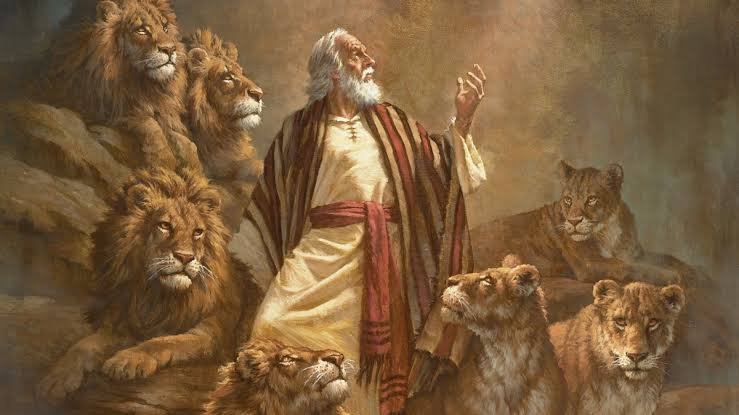
King Nebuchadnezzar of Babylon took captive a young Jewish man named Daniel. He was among the best and brightest of his people.
He trained in the Babylonian culture and language. They also gave him a new name: Belteshazzar.
The king appointed him as one of his advisers and administrators. He served under several kings and rulers.
However, he did not compromise his faith or loyalty to God. He remained faithful to God’s laws and commands.
He did not eat the king’s food or drink his wine, as idolatry had defiled them. He asked for permission to eat vegetables and water instead.
He said, “Please test your servants for ten days: Give us nothing but vegetables to eat and water to drink. Compare how we look to the young men who eat the royal food. Then, treat your servants based on what you observe. (Daniel 1:12-13)
He and his friends looked healthier and better than the others. They also excelled in wisdom and knowledge.
God granted them favor and success.
He also prayed to God three times a day, facing Jerusalem. He thanked God and asked for His guidance.
He said, “When Daniel heard about the decree, he went home. He went to his upstairs room with the windows facing Jerusalem.” Three times a day he got down on his knees and prayed, giving thanks to his God, just as he had done before.” (Daniel 6:10)
He also interpreted dreams and visions for the kings. He revealed God’s plans and purposes for the future.
He said, “No wise man, enchanter, magician, or diviner can explain the king’s mystery. But there is a God in heaven who reveals mysteries.” He has shown King Nebuchadnezzar what will happen in days to come.” (Daniel 2:27-28)
He also faced persecution and opposition from his enemies. They plotted to kill him by accusing him of breaking the king’s laws.
They deceived King Darius into making a decree. This decree said that anyone who prayed to any god or person besides him for 30 days would be thrown into the lions’ den.
They caught Daniel praying to God and reported him to the king.
The king felt distressed, but he could not change his decree. He reluctantly ordered that they throw Daniel into the lions’ den.
He said, “May your God, whom you serve continually, rescue you!” (Daniel 6:16)
God sent an angel to shut the mouths of the lions and protect Daniel. He did not harm or injure himself.
The overjoyed king praised God. He also punished Daniel’s enemies and their families by throwing them into the lions’ den.
He also issued a new decree that everyone should fear and reverence the God of Daniel.
He said, “I issue a decree that in every part of my kingdom people must fear and reverence the God of Daniel. For he is the living God and he endures forever; his kingdom will not be destroyed, his dominion will never end. He rescues and he saves; he performs signs and wonders in the heavens and on the earth. He has rescued Daniel from the power of the lions.” (Daniel 6:26-27)
Lessons:
Daniel’s story teaches us that patience is about serving God in a foreign land. It’s about adjusting to a new culture and setting while staying true to our faith and values.
It is also about praying to God regularly and seeking His will. It is about using our gifts and talents for His glory and purpose.
It is about facing trials and temptations with courage and trust. It is about witnessing to others and influencing them for God.
When we serve God in a foreign land or tough situation, we can look to Daniel. He showed us how to serve with patience. We can also pray to God constantly and rely on His protection and power.
11. Mary’s Patience in Bearing God’s Son

Mary, a young virgin, engaged herself to Joseph, a carpenter. An angel visited her and told her that God had chosen her to be the mother of His Son.
He said, “Greetings to you, who highly favor!” The Lord is with you. Do not be afraid, Mary; you have found favor with God. You will conceive and give birth to a son, and you are to call him Jesus. He will be great and will be called the Son of the Most High. God will give him David’s throne. He will reign over Jacob’s descendants forever. His kingdom will never end. (Luke 1:28-33)
Mary felt puzzled and wondered how this could happen. The angel said the Holy Spirit would come to her. The power of the Most High would cover her.
He said, “The Holy Spirit will come on you, and the power of the Most High will overshadow you. So the holy one to be born will be called the Son of God.” (Luke 1:35)
He told her that her relative Elizabeth was pregnant too, even in her old age. Nothing is impossible with God.
He said, “Even your relative Elizabeth is going to have a child in her old age. She was thought to be unable to conceive, but she is now in her sixth month.” For no word from God will ever fail.” (Luke 1:36-37)
Mary accepted God’s plan and submitted to His will. She said, “I am the Lord’s servant. May your word to me be fulfilled.” (Luke 1:38)
She also praised God and rejoiced in His favor. She said, “My soul praises the Lord. My spirit is joyful in God my Savior. He has noticed the humble state of his servant.” From now on all generations will call me blessed, for the Mighty One has done great things for me—holy is his name.” (Luke 1:46-49)
Mary faced many challenges and difficulties in bearing God’s Son. She had to deal with the suspicion and disbelief of Joseph, who planned to divorce her quietly.
She had to travel to Bethlehem with Joseph for a census when she was about to give birth.
She had to deliver her baby in a stable and lay him in a manger.
She had to flee to Egypt with Joseph and Jesus to escape from King Herod, who wanted to kill the child.
She had to watch her son grow up and leave home to fulfill his ministry.
She had to witness his suffering and death on the cross.
She had to wait for his resurrection and ascension.
Mary was patient and faithful in bearing God’s Son. She treasured all these things in her heart and pondered them.
She said, “But Mary treasured up all these things and pondered them in her heart.” (Luke 2:19)
She also followed her son’s teachings and commands. She was among the disciples who received the Holy Spirit at Pentecost.
She said, “They all prayed together. The women, Mary the mother of Jesus, and his brothers joined them.” (Acts 1:14)
Lessons learned:
Mary’s story teaches us that patience is about bearing God’s Son. It is about accepting God’s call and submitting to His will.
It is also about praising God and rejoicing in His favor. It is about treasuring His word and pondering it in our hearts.
It is about following His teachings and commands. It is about receiving His Spirit and power.
When we are bearing God’s Son in our lives, we can remember Mary’s example and bear with patience. We can also praise God and rejoice in His favor.
Final Thoughts
We have seen 13 inspiring stories of patience in the Bible. These stories show how God’s faithful servants waited, trusted, and obeyed Him. They did this even during tough times and challenges.
They also show us how God rewarded their patience with His blessings, favor, and salvation.
These stories teach us that patience is a virtue that is necessary for living a good and godly life. It involves endurance, perseverance, longsuffering, and hope.
It also involves faith, loyalty, submission, gratitude, and service.
We can all learn from the examples of patience found in the Bible. Let us commit to being more patient in our own lives, and let us encourage others to do the same.
Let us remember the words of James 5:11:
“We count as blessed those who have persevered. You have heard of Job’s perseverance and have seen what the Lord finally brought about. The Lord is full of compassion and mercy.”